Swiss Player Age Groups and Their Slot Theme Selections Under Licensed Platform Rules
Geschrieben von Yves Keller · 12.10.2026
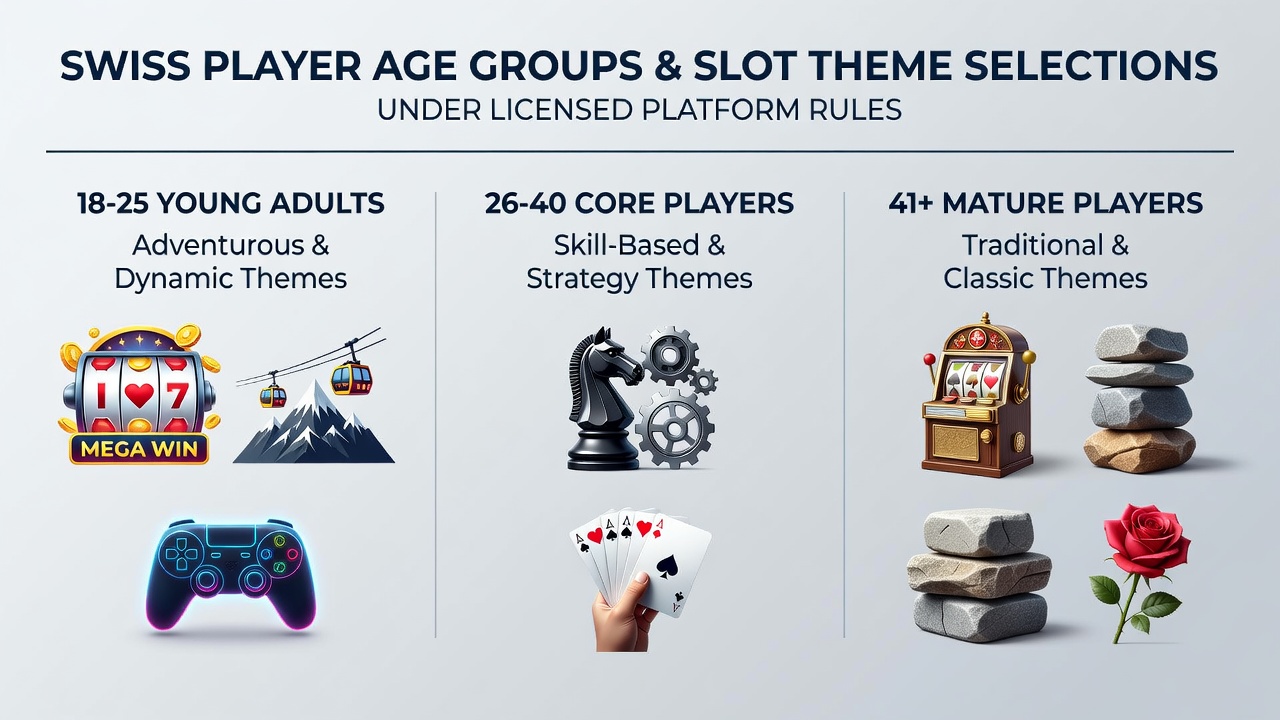
Swiss Player Age Groups and Their Slot Theme Selections Under Licensed Platform Rules
Data from Swiss licensed platforms shows distinct patterns in how age groups approach slot theme selections under the strict rules set by federal regulations and operators must follow age verification protocols that segment users into clear brackets starting at 18 years old.
Age Verification and Platform Compliance Basics
Licensed operators in Switzerland enforce identity checks that categorize players into groups such as 18 to 24, 25 to 34, 35 to 44, and 45 plus, while rules require transparent reporting on game offerings so each segment sees compliant theme selections that avoid restricted content categories.
Platform logs indicate that younger users in the 18 to 24 bracket often start with adventure and fantasy themes, yet operators adjust availability based on session data that tracks engagement without violating payout transparency mandates.
Theme Preferences Across Age Segments
Research compiled by independent gaming analysts reveals that players aged 25 to 34 gravitate toward mythology and history based slots, while those in the 35 to 44 range show higher interaction rates with classic fruit and jewel designs that align with simpler mechanics permitted under licensing guidelines.
Observers tracking October 2026 usage patterns note continued stability in these distributions, since regulatory updates from that period emphasized clearer labeling of theme origins and risk levels without altering core selection freedoms.
Data Patterns in Theme Engagement
Figures released through platform analytics indicate that 45 plus users frequently select nature and wildlife themes, and these choices correlate with longer session durations that licensed sites record to meet compliance audits conducted by federal oversight bodies.
One study from the European Gaming Research Network found similar age based divisions in theme uptake across multiple jurisdictions, which helps explain why Swiss operators refine their catalogs to match these documented behaviors while staying inside legal boundaries.
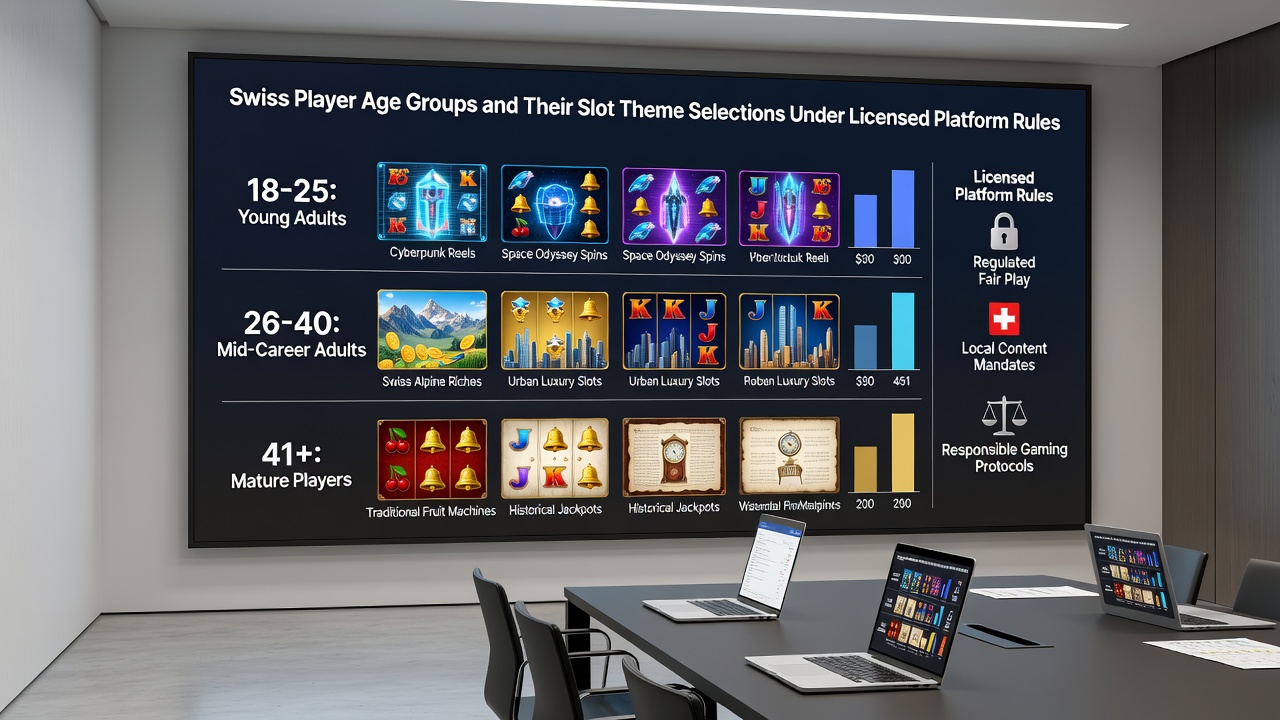
Turns out the 18 to 24 group also experiments with seasonal event tied themes during federal holidays, whereas older segments maintain steadier preferences that do not shift as sharply with calendar changes.
Regulatory Influences on Selection Options
Swiss licensing rules require operators to display theme categories with clear age appropriate warnings, and data shows this transparency influences how each group filters options during initial registration flows.
According to reports from the Australian Gambling Research Centre, comparable regulatory frameworks in other regions produce parallel age segmented theme trends, which Swiss platforms reference when updating their libraries to stay competitive yet fully compliant.
Platform records further demonstrate that 25 to 34 year olds explore more cross genre combinations than other brackets, while 35 to 44 players stick to established categories that require less navigation effort under the standardized interface mandates.
Tracking Shifts Through 2026 and Beyond
October 2026 monitoring reports highlight steady growth in mythology themed selections among the 25 to 34 bracket, driven by new releases that meet updated content guidelines without exceeding volatility caps enforced by license conditions.
Those who analyze retention metrics across Swiss sites observe that 45 plus users continue favoring lower complexity themes, and this consistency supports predictable revenue models that operators report to regulators on quarterly cycles.
Conclusion
Overall patterns confirm that Swiss licensed platforms maintain theme selections tailored to verified age groups through ongoing data review and rule adherence, with each segment displaying measurable preferences that evolve slowly under federal oversight.