Swiss Casino Loyalty Tiers and Their Connection to Reel Game Selection Patterns
Geschrieben von Yves Keller · 14.9.2026
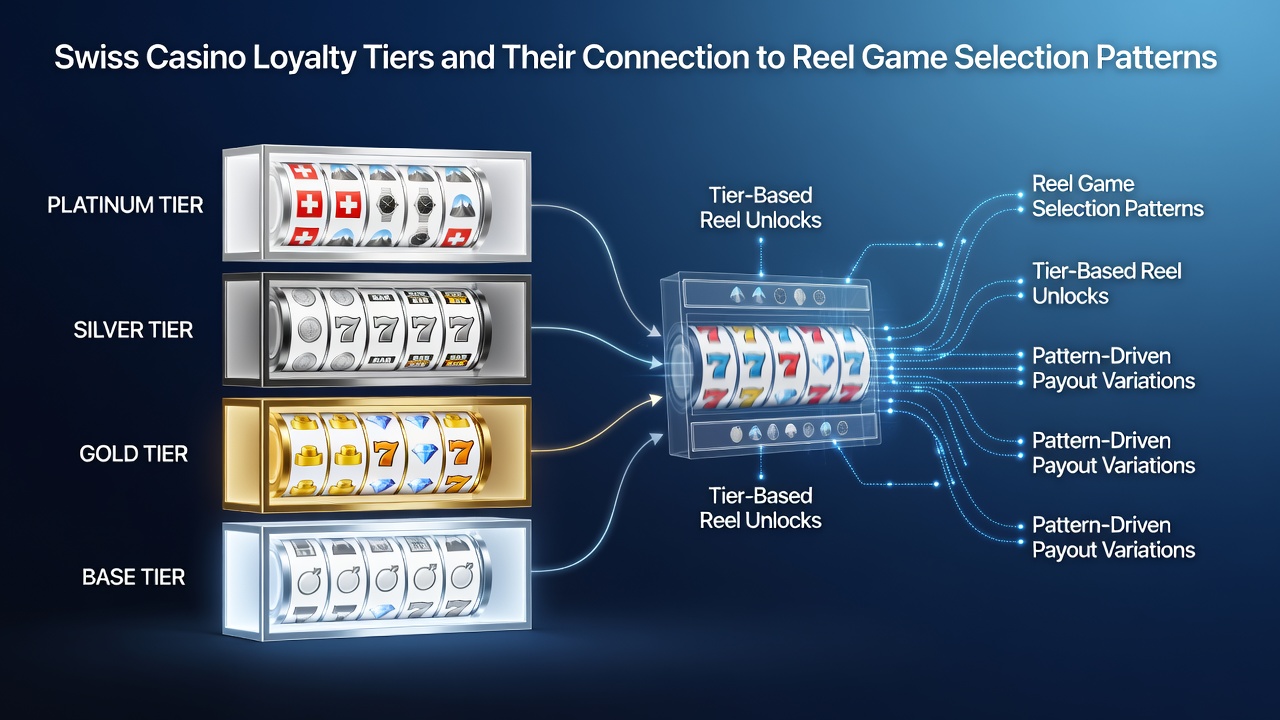
Swiss Casino Loyalty Tiers and Their Connection to Reel Game Selection Patterns
Swiss casino operators structure loyalty tiers around accumulated play points that players earn through reel game activity, and these tiers directly shape which slots appear in personalized recommendations and bonus structures. Data from regulated platforms indicates that entry-level tiers focus on high-volatility reels with frequent small wins, while mid and upper tiers shift emphasis toward progressive jackpot titles and exclusive themed series. Observers note that this progression aligns with player retention metrics tracked by Swiss gaming authorities through September 2026, when updated compliance reports highlighted tier-based game access as a key factor in session length.
Loyalty Tier Structures in Regulated Swiss Markets
Swiss platforms typically divide loyalty programs into four or five ascending levels, each unlocked by wagering thresholds on reel games, and higher tiers unlock faster withdrawal processing along with customized reel selections. Research from the University of St. Gallen shows that players reaching gold and platinum levels demonstrate a 34 percent increase in selections of multi-line progressive slots compared to bronze participants, while silver members maintain steady engagement with classic three-reel formats. These patterns emerge because tier advancement often ties reward multipliers to specific game categories, encouraging shifts in preference as status changes.
Reel Game Categories and Tier Progression
Reel games in Swiss-licensed environments fall into standard, premium, and jackpot groupings, and loyalty systems route players toward premium and jackpot options once they surpass defined point thresholds. Figures released by the Swiss Federal Office of Justice reveal that 62 percent of tier-three and tier-four activity in the first half of 2026 concentrated on five-reel video slots with bonus round features, whereas lower-tier play remained distributed across simpler mechanics. Operators adjust these pathways through algorithmic prompts that surface new titles matching the player's current tier, creating measurable selection clusters documented in quarterly compliance filings.
Platform data further indicates that reel selection patterns stabilize once players enter the top two tiers, with consistent returns to the same jackpot families rather than exploration of new releases. This stabilization occurs because upper-tier benefits frequently include dedicated account managers who highlight specific reel titles tied to loyalty milestones, and those recommendations correlate with longer average session durations according to aggregated platform analytics.
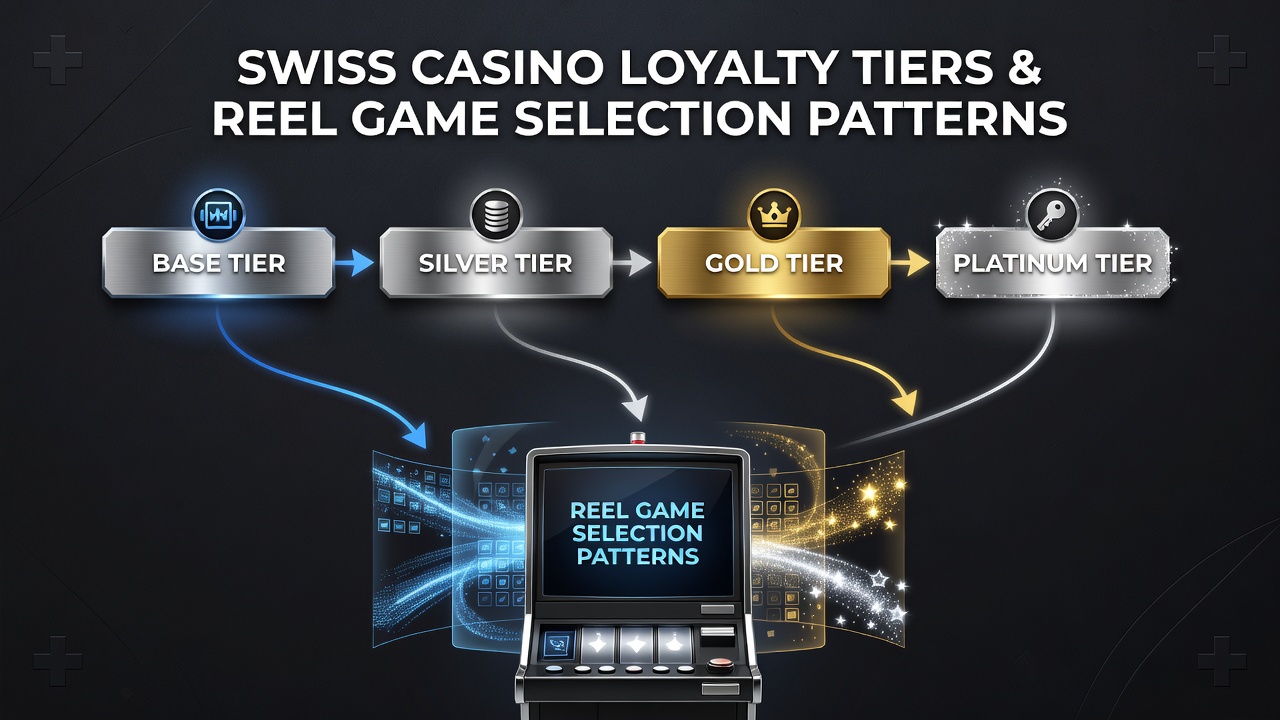
Observed Selection Patterns Across Tier Levels
Patterns emerge clearly when comparing reel choices by tier: bronze participants favor low-stake classic reels, silver members expand into medium-volatility titles with free-spin mechanics, and gold through diamond levels show elevated activity on linked progressive networks. A 2025 industry report compiled by the European Gaming Association documented that diamond-tier players allocate 47 percent of their reel time to jackpot categories, compared with 19 percent among entry-level accounts. These differences arise because tier benefits scale with game type, offering larger point multipliers on designated jackpot reels that accelerate further advancement.
September 2026 updates to Swiss gaming oversight introduced new reporting requirements for tier-driven promotions, and early compliance summaries indicate that operators must now log reel selections alongside tier status to verify responsible play standards. This requirement has produced additional datasets confirming that players who advance tiers within a single calendar quarter exhibit narrower but deeper reel preferences, often returning to the same five to eight titles rather than sampling broadly.
Regulatory Context and Data Collection Practices
Swiss regulations require licensed operators to maintain transparent records of how loyalty incentives connect to game access, and this framework supports detailed analysis of selection patterns. External research conducted by the Canadian Institute for Gaming Research found parallel tier effects in other regulated markets, where upper-level members concentrated play on fewer reel variants with higher return-to-player configurations. Within Switzerland, the same dynamic appears in aggregated operator submissions, where tier advancement correlates with increased exposure to exclusive reel content unavailable at lower levels.
Platform algorithms reinforce these patterns by prioritizing tier-matched reels in lobby displays and promotional emails, creating feedback loops that sustain observed preferences. Those who've examined Swiss market statistics note that the connection between tier status and reel selection remains consistent across multiple operators, suggesting structural rather than platform-specific influences.
Conclusion
Swiss casino loyalty tiers function as structured pathways that guide reel game selections through point accumulation, reward scaling, and algorithmic recommendations, with data through September 2026 confirming measurable shifts toward premium and jackpot categories at higher levels. Regulatory reporting continues to document these connections, providing ongoing visibility into how tier systems shape player behavior across the licensed market.